A modern day pilgrimage

You might have already spotted that this is not a kids book, but every now and then I sneak in a non-fiction book that inspires me as a writer and/or mum.

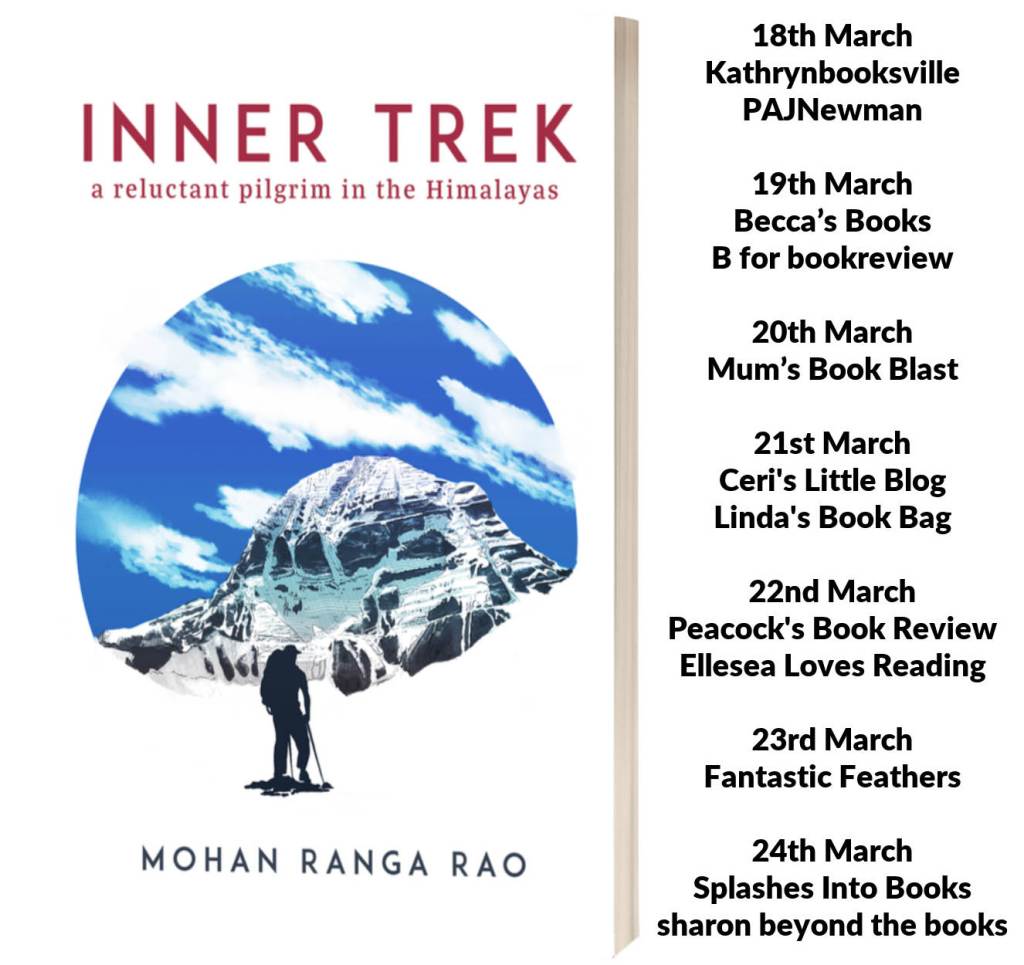
I love travel books and am going through a phase of reading extreme adventure travel books, but my gentle rambles always feel rather tame by comparison, so I was drawn to an Inner Trek: A Reluctant Pilgrim in the Himalayas and the idea of a businessman with no particular action credentials setting off on a pilgrimage. And as I recently published a kids book on mindfulness (BElieve in YOUrself) and the sequel is out soon, the contemplative aspect also caught my attention. From the blurb, I did wonder if the author might be a bit too introspective or self-absorbed for me, but I shouldn’t have worried. I was totally drawn in to his story from the very start with the “inciting incident” (the writer in me always looks for the trigger for any story, fact or fiction). And I loved the conversations with his wife – it all felt so authentic. It’s different to anything I’ve read before, and well-worth looking at, even if it’s not your usual genre.

Blurb

After being threatened by a Bangalore mob boss, retired Indian businessman in Mohan Ranga Rao makes a vow: if he somehow gets out of the situation, he will thank the gods by going on Kailash Mansarova, a holy mountain pilgrimage in Tibet. What starts out as merely a challenging high-altitude trek soon becomes a life-changing adventure. With a blend of humor, honesty and keen insight, Mohan journeys toward a deeper understanding of the world around him.

A memoir of a road less traveled and a true story of self-discovery at 18,000 feet.

Author Bio

Mohan Ranga Rao is an accomplished businessman, an avid traveller and a generous philanthropist. He has visited over thirty different countries and is drawn to places of natural beauty and physically-challenging trails. Mohan lives in Mysore with his wife Mamatha. They have two adult children. He plays tennis daily, takes frequent hikes and reads anything from scotch labels to quantum physics to Vedanta.

Sneak peek inside the new ‘Monster Max’ book

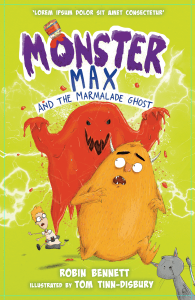
If you’ve followed my blog for a while, you’ll know I enjoy Robin Bennett’s books. I’ve previously reviewed The Hairy Hand (which I described as ‘when The Twits meet Rincewind’) and done an interview with him, so to mix it up, this time I’m pleased to be kicking off the book tour with an extract from his latest book, Monster Max and the Marmalade Ghost.

Monster Max and the marmalade ghost book cover

First, let’s set the scene …

Monster Max and his (joint) best friend Peregrine have been finding it hard ‘To Protect and do Good Stuff’ lately – not much seems to be going on in their quiet suburb. However, this doesn’t last long: strange and actually quite horrible things have been going on in the Old Folks Day Centre. In the toilets, to be precise. Max, Peregrine and Max’s cat (and joint best friend), Frankenstein, go and investigate. Is Max about to bite off more than he can chew?

It seems to have all the ingredients for a comedy. Let me know what you think.

——————————————————————————

They made their way the next morning to the day centre. Max had persuaded Frankenstein to come, too.

‘Retired people like cats,’ he explained, ‘probably even you.’

As they walked through the double doors, they were met by Reg and a horrible gurgling, belching, farty noise.

‘That’s not me,’ said Reg cheerfully, ‘we’ve been having some problems with the plumbing this morning. Mrs Dempsey dropped her false teeth down the toilet when she sneezed and since then the whole system seems to have a mind of its own!’

Max and Peregrine exchanged a look. They’d been right – there was probably loads of stuff they could do to help around here.

‘Ooh, what a beautiful-looking cat!’ exclaimed Reg, looking down. 

(Yes, thought Max, Reg really does need better glasses). 

Reg tickled Frankenstein behind the ear and he started to purr like an old chainsaw (the cat, not Reg). 

‘The residents would love to meet him,’ said Reg.

Blurb

Max and Peregrine are volunteering at an old people’s home, when strange things start to happen: one resident is walking on the ceiling; one is riding their wheelchair through walls; and Reggie says his marmalade is haunted (although no one listens). Can Max and his friends work out what’s happening to protect his family and the local community? Things aren’t looking good – the Marmalade Ghost is turning into a gloopy Godzilla, Max falls out with his (joint) best friend, and then, just when it can’t get any worse, someone kidnaps Max’s cat, Frankenstein… will they meet a sticky end? 

Time to ‘Protect and Do Good Stuff!’

Author Bio

Robin Bennett author photo

When Robin grew up he thought he wanted to be a cavalry officer until everyone else realised that putting him in charge of a tank was a very bad idea. He then became an assistant gravedigger in London. After that he had a career frantically starting business- es (everything from dog-sitting to cigars, tuition to translation)… until finally settling down to write improbable stories to keep his children from killing each other on long car journeys. 

Why our children should listen to audiobooks

I love audiobooks. I listen every day whilst dog walking or cooking. And I firmly believe that listening is “reading” and will argue this on Clubhouse until I’m blue in the face (not that anyone can see on Clubhouse). When I do school visits, I talk a lot about the author creating “mind movies”, and I would include audiobooks in this discussion.

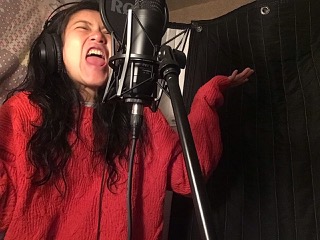
So you may know I’m lucky enough to have the utterly amazing Chris Devon narrate my Relic Hunters series (and he’s being very patient whilst I struggle with plot holes in book 3). Anyway, for a different perspective, I recently met the talented and super lovely Charlotte Chiew (scroll down for some very funny shots of here at work) at a networking event and invited her to share some thoughts on the benefits of audiobooks for children so over to her ….

The muscles you(r children) work listening to audiobooks

I’ll admit – I only really started listening to audiobooks after I began narrating them. 

Of course, like many a good parent, I’d bought (and listened together with) my kids those read-along books with CDs that ring a little lovely chime every time the narrator had come to the end of the page and it was time to turn the page. My boys loved them. I think they felt pretty good about themselves, pretending they were able to read before they actually could decipher the words themselves. 

Then, as they got older and silently devour all sorts of books by themselves, they also started on audiobooks. I honestly can’t remember how or when, but they were the pioneer audiobook listeners in my household. I remember the first times I found the house silent, the child(ren) immobilized, headphones on, eyes glazed. And I thought, who cast this spell and how?

Obviously, I wanted this magical super power too.  

While I won’t be sharing the secrets of how I spin a spellbinding tale, I will share 2 interesting facts about audiobooks that may shed some light on how and why some audiobook narrators have listeners eating out of their hands.

1. Our brain works as hard whether we’re reading a story ourselves or listening intently to someone telling it to us.

From an evolutionary point of view, reading came after storytelling and listening, and so it uses processes in the brain that were already there from learning by listening. If you think about reading as the process of decoding the written letters, then it means that if you’ve learnt to read, the decoding is pretty much automatic which means it no longer requires much effort. The effort then, is in what you do with the information you get from the decoding (reading) or the listening (storytelling). 

(There’s been lots of scientific research on this topic, but here is where I gleamed my understanding of memory & learning http://www.danielwillingham.com/articles.html)

2. Listening to audiobooks is more engaging than watching films – even if you don’t realise it!

A study from UCL found that listening to audiobooks creates a more intense psychological and emotional reaction that watching television or film. A quick google search will bring up all the statistics and research data if that’s your cup of tea. But think about it – the results aren’t that surprising. When listening to an audiobook, you have to work your imagination so much more than when watching a film. (Remember how the latest release of that book you loved was never as satisfying as when you read it?) In addition to your imagination working hard, often times, you experience an intimate storytelling with audiobooks. A beautiful voice in your ears (thank you Noise-cancelling-headphones), drawing you into the world of the story. The narrator heightens the experience for the listener and has the ability to make an audiobook unforgettable.

The imobilised, glazed-eyed state I find my kids in when they listen to audiobooks must just be their imagination hard at work. With some help from an expert narrator…

3. Insider tips

If you’re new to audiobooks and I’ve tempted you to try, here are some options and tips for looking for great narrators:

  1. Most audiobook online retail platforms will let you trial a subscription for a month. Try Kobo, Audiobook.com and Audible – you get free book/s during your trial, which you get to keep even if you cancel your subscription. Afterwhich you’ll get credits which usually equates to 1 book every month. With a Kobo subscription, you’ll also get books on promotional prices in addition to your 1 “free” book a month. And if you accumulate more credits that you can use them, Kobo lets you”pause” your subscription if you don’t want to cancel but just haven’t finished using those credits.
  2. Check if you local library has a partnership with Libby App (by Overdrive). We are members of Lewisham Library (London) and have enjoyed many audiobooks for free on our library cards.
  3. You can get free audiobooks from Librivox, Googleplay Audiobooks, and even Apple iTunes. 
  4. Before you buy/rent/download-a-free audiobook, always check out the retail sample. That’s the equivalent of a traditional book’s “blurb”. Most audiobook producers will choose a section that will let you have a good idea of how the narrator tells the story. However, some retailers will cut their own retail sample and sometimes, that means you just hear the copyrights and opening credits…
  5. Look out for the Earphones award for the audiobook, or the Golden Voice award for the Narrator. These are awards given by AudioFile Magazine, for truly exceptional titles that excel in narrative voice and style, characterizations, suitability to audio, and enhancement of the text.

About Charlotte Chiew

Charlotte Chiew is an audiobook narrator-producer, voiceover artist, and actor. She specializes in narrating content for young audiences and has performed for children and young audiences all over the world in theatres, community halls, festivals, shopping malls, bookshops, and on recorded medium. Charlotte is currently narrating and producing the Paramedic Chris Series– a children’s book series about the Ambulance service – by Tim Parsons.

Find out more about Charlotte’s work on https://Charlottechiew.com

Listen to Charlotte spin a yarn on the Tauk Kids’ Youtube Channel https://bit.ly/TAUKKidsYT
Books and lists – what more could you want?

You might have noticed I like books. I keep my Goodreads lists up to date, and set myself targets every year. I also know Jennifer Gilmour, the author of The Book Review Log Book, has targets on Goodreads | you can see them here, although I suspect she’s using her log book now so it may not be up-to-date!

But the Goodreads system only lets you set a target number of books – I go for one a week because it requires no thought! Which is fine, but with the emphasis purely on quantity, it misses that for a reluctant reader, three books could be a huge achievement. That’s why I published The Book Dragon Club packed with fun reading activities and challenges for kids.

So, back to The Book Review Log Book. Now, full disclosure, I’m working on a grown-up version of my Book Dragon Club, so I was a bit worried I might be conflicted if I reviewed this book, but I’m really glad I did as I love it, and mine will be different so no conflict.

It starts with goal setting – yay! And it’s free form so you can tailor it to exactly what you want to achieve – another bug bear of mine regarding the Goodreads system.

The “To be Read” section suggests drawing spines on shelves, which I love as an idea instead of a list. There are 6 shelves, so you could even organise them by genre, or any other way.

And the inclusion of a “Book release calendar” is genius – unless I add a book to my Amazon pre-orders, I often lose them.

There is then plenty of space for 100 book reviews, and progress checks to celebrate as you go. Fun!

Blurb

Keep a track of your reading progress and your book reviews in one place:

  • Reading Goals
  • To Be Read List
  • Book Release Dates
  • Word Cloud
  • Your Reviews
  • Your Notes

Author bio

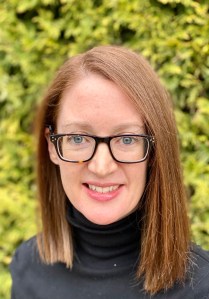
Jennifer Gilmour is an author and advocate for women in abusive relationships, using her own experiences of domestic abuse as a catalyst to bring awareness and to help others. Jennifer has published two publications, Isolation Junction and Clipped Wings which have both been Amazon Best Sellers and received awards. Jennifer speaks at events across the UK and continues to raise awareness through her blog posts, public speaking, radio interviews and social media. 

Most Informative Blogger Award 2018 (Bloggers Bash Annual Awards)
UK & European Award for using Social Media for Good 2019 (Social Day: Social Media Marketing Awards) 

Jennifer says: “Together we are Louder”.

Maths for babies – a book I wish I’d written

A little known fact is I’m actually an accountant – I’m a Fellow of the Institute of Chartered Accountants of England & Wales. So it’s not surprising that I thought Numberjacks was a great idea for a kids TV show, and I’m always curious about new maths focused books. What is surprising, is that I didn’t write 100 ways, 100 days to teach your baby maths myself! What a superb resource.

Blurb

Let your baby lead the way as you explore the wonderful world of maths together through 100 daily activities, stories, and songs. No flashcards, no worksheets, no right or wrong, and no maths anxiety Within this 100-day maths journey, you will discover:

  • Maths ability on entry to school is a strong predictor of later achievement, double that of literacy skills.
  • Babies seem to be born with an amazing number sense.
  • Parents have the power to show their babies that maths is enjoyable and not something to be anxious about.
  • Babies can enjoy maths activities while boosting other areas of development.
  • The best time to start enjoying maths is in infancy.

What about the effect of gender, culture, sleep, diet—even the type of pushchair you buy? 100 Ways in 100 Days to Teach Your Baby Maths holds the answers.

“…use this book. It really will be worth it.”- Tony Attwood, founder, The Dyscalculia Centre“I loved reading this book. The approach is imaginative but also tied to everyday life, making the holistic integration of a maths-friendly parenting style something natural rather than forced.”- http://www.thebookbag.co.uk“The simple and well-researched activities and advice ensure that everyone can give their children the best start in life.”- National Numeracy

About the Author

Emma Smith is a Fellow of The Institute of Actuaries and a Chartered Accountant. She is a double academic prize winner with a First Class Maths degree and a lifelong lover of maths. She has worked freelance as an actuarial exam counsellor, an assistant examiner, and a writer. Her front-cover articles include “Your Baby is a Genius!” in Baby London Magazine. While writing, Emma is ably assisted by her dog, Button, her daughter’s cat, Princess Marshmallow, and her son’s cat, Squeezy Paws.